
Businesses today rely heavily on digital systems to manage communication, automate workflows, and support daily operations. As technology use continues growing, companies also face increasing concerns around security, visibility, and responsible system management. This is why ai governance and compliance strategies are becoming increasingly important for modern organizations.

Organizations are now expected to understand how automated tools are being used, who has access to sensitive information, and whether suspicious activity is taking place within their environments. This is why many businesses are investing in stronger monitoring and governance strategies.
In this blog, you will learn why stronger oversight matters, how businesses can identify unusual activity earlier, and why better governance strategies help improve security, accountability, and operational efficiency.
What Challenges Are Businesses Facing Today?
Modern workplaces generate large amounts of data every day. Employees access applications, upload files, communicate across departments, and work remotely from multiple devices. Without proper visibility, businesses may struggle to identify risky behavior or operational issues before they become serious problems.
Many organizations also face pressure from industry regulations and internal standards. Managing security and compliance across different systems can quickly become difficult without structured oversight.
Some common business challenges include:
- Limited visibility into user behavior
- Difficulty identifying suspicious activity
- Managing employee access securely
- Protecting confidential business information
- Meeting regulatory requirements
- Reducing operational risks without slowing productivity
These concerns have encouraged organizations to improve monitoring practices and create stronger governance frameworks.
How Does Better Oversight Improve Operations?
Strong oversight is not only about protection. It also improves communication, operational efficiency, and decision-making throughout the organization.
When businesses maintain clear monitoring and reporting processes, they can identify problems faster and reduce unnecessary disruptions. Teams also gain better visibility into workplace activities, helping managers make more informed decisions.
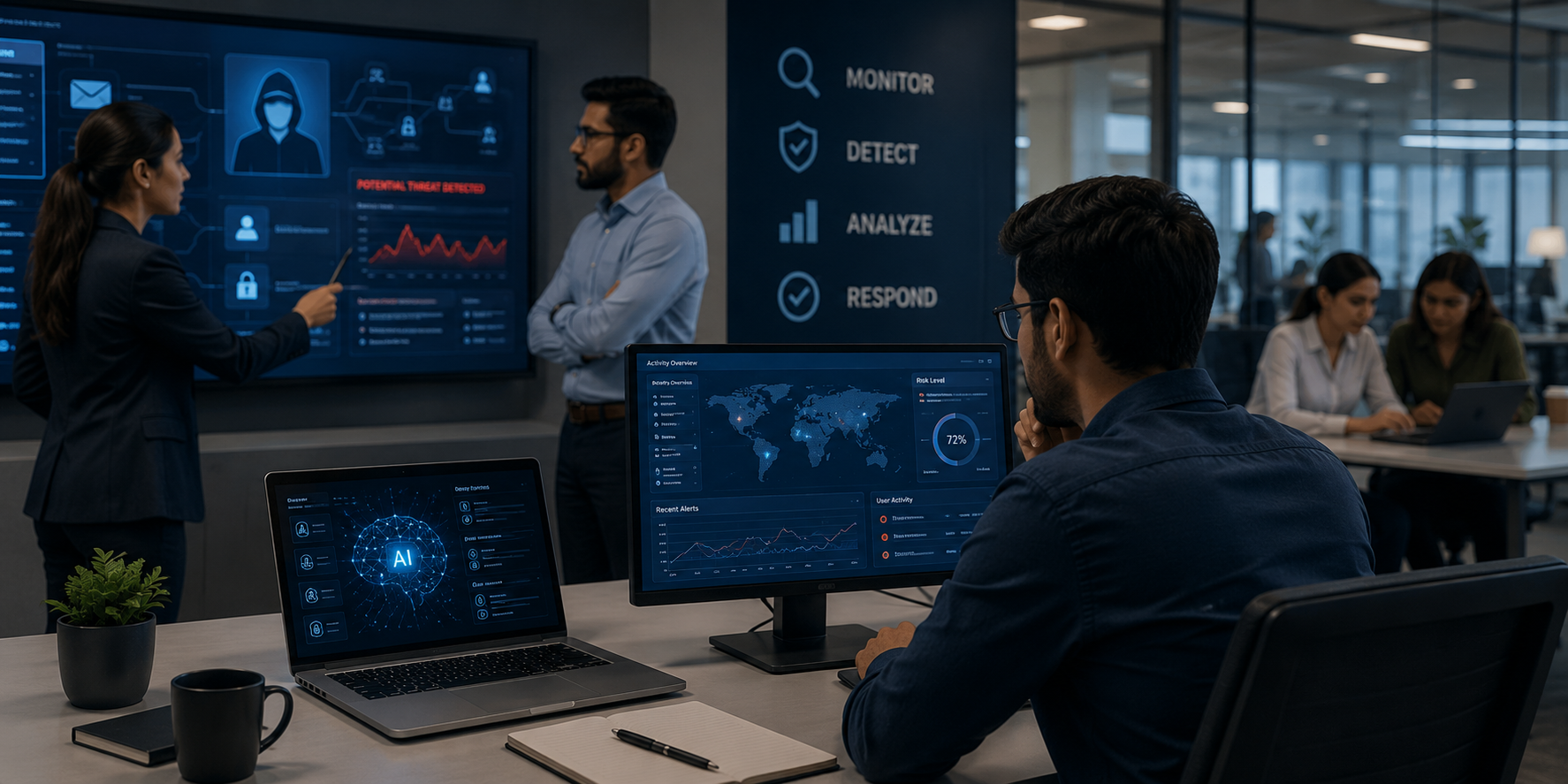
Better oversight can support businesses by improving:
Risk Management
Organizations can identify unusual behavior earlier and respond before issues become larger operational problems.
Internal Accountability
Clear monitoring records help businesses review activities, investigate incidents, and maintain transparency across departments.
Compliance Readiness
Structured reporting makes it easier for companies to prepare for audits and meet industry requirements confidently.
Operational Efficiency
Improved visibility reduces manual work and helps teams spend less time searching for information.
Why Is Monitoring Unusual Activity Important?
One major concern for organizations is identifying behaviors that fall outside normal activity patterns. This could include unexpected login attempts, unusual file access, large data transfers, or suspicious communication activity.
Without proper visibility, businesses may fail to recognize threats until damage has already occurred.
This is why many organizations are now investing in ai usage anomaly detection solutions as part of their broader monitoring strategy. These systems help businesses recognize unusual operational behavior quickly, allowing teams to investigate concerns faster and reduce potential risks.

The goal is not unnecessary employee monitoring. Instead, businesses want stronger protection for systems, communications, and sensitive information while maintaining operational efficiency.
What Makes Governance and Compliance So Important?
Businesses today operate in an environment where trust and accountability matter more than ever. Customers, partners, and regulators expect organizations to protect data responsibly and follow clear operational standards.
Strong governance strategies help companies establish rules for managing systems, monitoring activity, and controlling access to important information.
Without proper governance, organizations may experience:
- Increased security vulnerabilities
- Inconsistent policy enforcement
- Poor operational visibility
- Greater compliance risks
- Delayed responses to security incidents
Creating a structured governance strategy allows businesses to maintain stronger operational control while supporting long-term stability.
How Can Businesses Strengthen Their Security Strategy?
Improving oversight does not always require replacing existing systems completely. Many businesses begin by improving visibility, organizing policies, and centralizing monitoring processes.
A stronger security strategy often includes:
Creating Clear Usage Policies
Employees should understand acceptable system usage and workplace security expectations clearly.
Monitoring Activity Consistently
Organizations benefit from tools that provide visibility into operational patterns and user behavior.
Managing Permissions Carefully
Businesses should regularly review who can access sensitive systems and information.
Improving Response Procedures
Faster response times help organizations reduce operational damage when unusual activity occurs.
Maintaining Ongoing Oversight
Security and governance require continuous monitoring as operational needs and technologies evolve over time.
Companies such as AGAT Software help organizations strengthen operational visibility, improve oversight practices, and manage workplace security more effectively without unnecessary complexity.
Are Businesses Prepared for Future Security Challenges?
As organizations continue expanding digital operations, monitoring and governance will become even more important. Businesses cannot afford limited visibility into how systems are used or where risks may exist.

Companies that improve oversight early are often better prepared to maintain operational stability, protect sensitive information, and build stronger trust with customers and partners.
Strengthening governance practices today can help organizations avoid larger operational and security problems in the future.
FAQs
1. What is anomaly detection in business systems?
Anomaly detection identifies unusual behavior or operational patterns that may indicate security risks or system concerns.
2. Why is governance important for digital operations?
Governance helps organizations improve accountability, manage risks, enforce policies, and maintain operational control across systems.
3. Can monitoring systems improve efficiency?
Yes. Better monitoring reduces manual review processes, improves visibility, and helps businesses respond to issues faster.
4. How do businesses reduce compliance risks?
Organizations reduce risks by maintaining clear policies, monitoring activity consistently, managing permissions carefully, and keeping accurate records.
5. Which industries benefit most from stronger oversight?
Industries handling sensitive information, including finance, healthcare, legal services, education, and technology, often benefit significantly from improved governance and monitoring strategies.