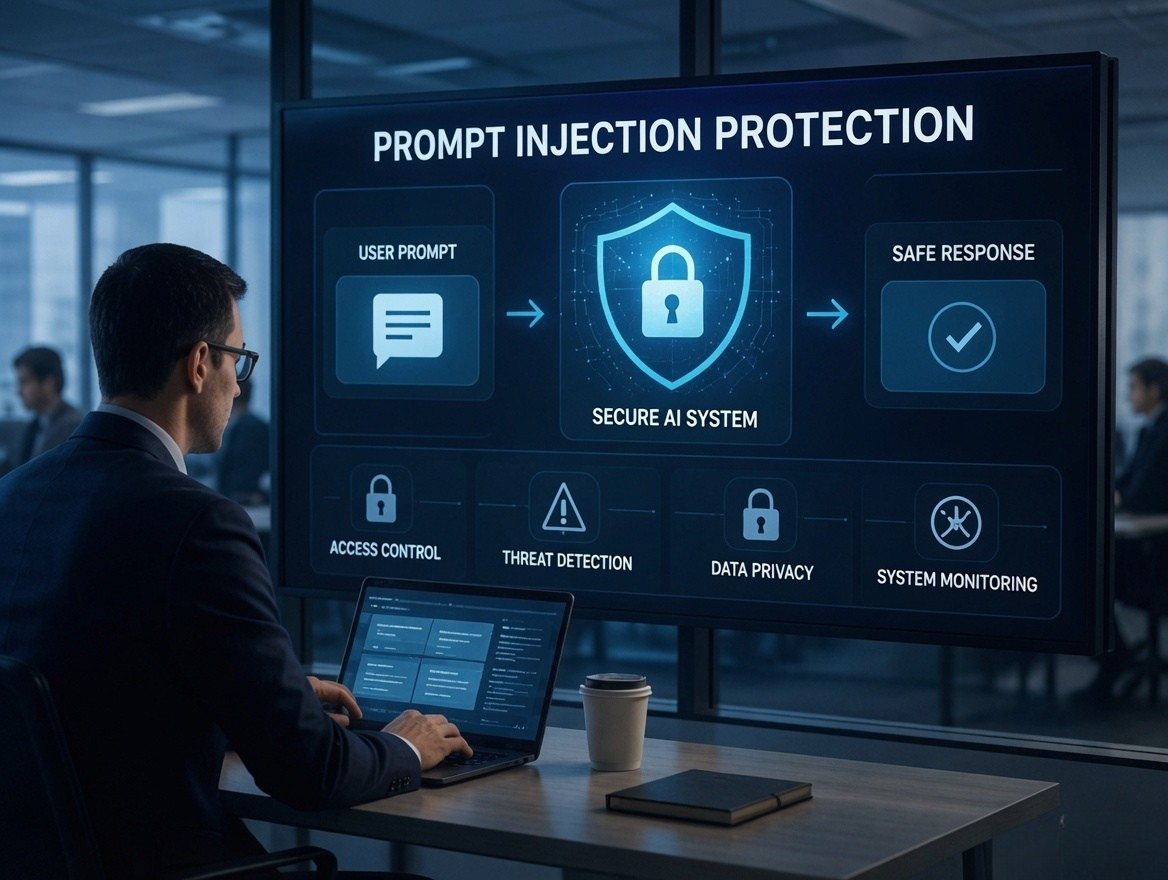
Businesses are adopting new technologies to improve productivity, simplify workflows, and help employees find information faster. While these tools offer many advantages, they can also introduce security concerns if proper safeguards are not in place. One growing concern is the risk of prompt injection attacks, where malicious instructions are designed to influence system behavior and expose information that should remain protected.
In this post, we will learn what prompt injection attacks are, the warning signs that indicate stronger security measures may be needed, and how organizations can better protect their information and operations.
Understanding Prompt Injection Protection
Prompt injection occurs when someone intentionally enters instructions that attempt to override or manipulate a system's intended behavior. The goal may be to gain access to restricted information, bypass controls, or produce responses that should not be available.
Prompt injection protection focuses on preventing these attempts from succeeding. It helps organizations maintain control over information access, user interactions, and system responses. As businesses continue to rely on digital tools, having safeguards in place becomes increasingly important for protecting sensitive data and maintaining trust.
1. Sensitive Information Could Be Exposed
One of the clearest signs that stronger protection is needed is the possibility of sensitive information being exposed.
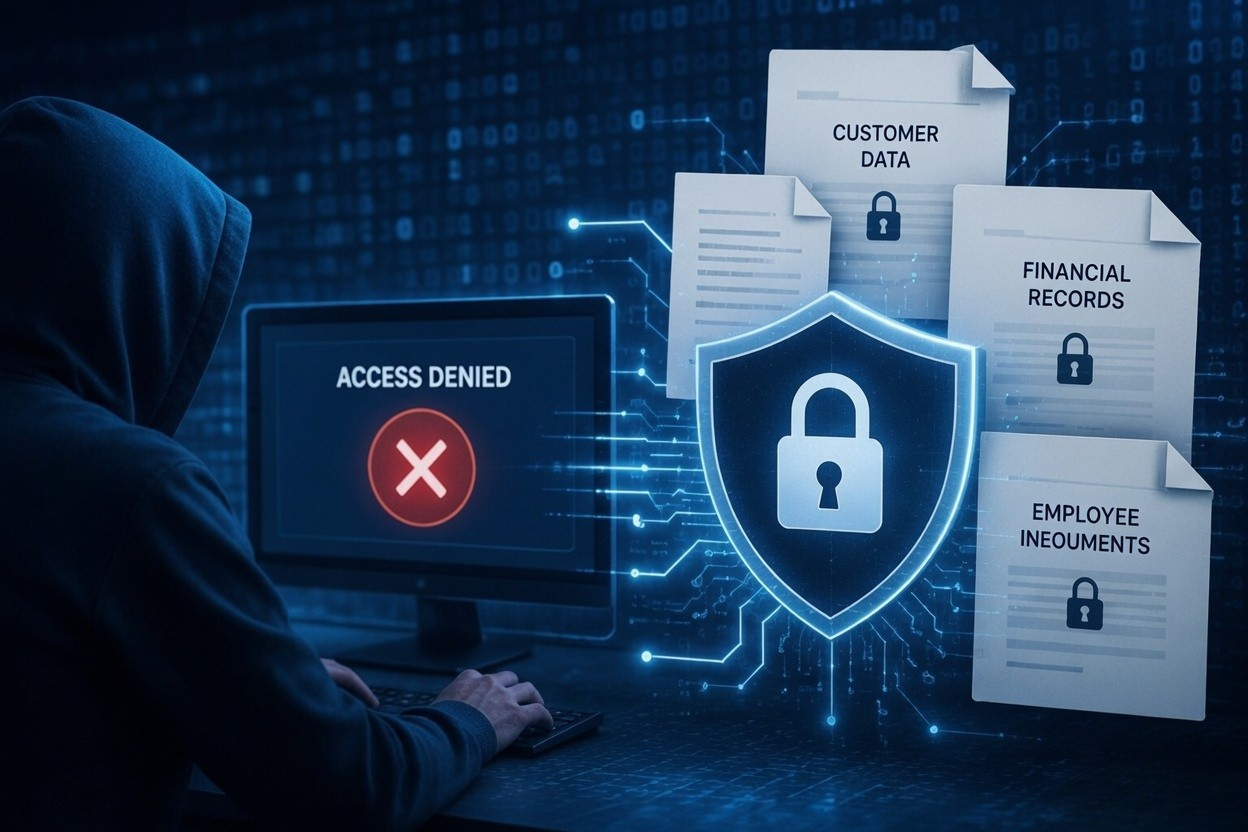
Organizations store large amounts of confidential data, including customer records, financial details, internal documents, and employee information. If proper controls are not in place, unauthorized users may attempt to access information through manipulated prompts.
Even a small data exposure incident can lead to financial losses, compliance issues, and reputational damage. Businesses should regularly review how information is accessed and ensure that sensitive content remains protected from unauthorized requests.
2. Employees Are Using Multiple Digital Tools
Many organizations use various applications for communication, customer support, documentation, and workflow management. While these tools improve efficiency, they also increase the number of potential entry points for security risks.
When employees interact with multiple platforms daily, monitoring activity becomes more challenging. Security teams may struggle to maintain consistent controls across every system.
A growing digital environment often requires stronger oversight and protection measures to ensure information remains secure regardless of where interactions occur.
3. Limited Visibility Into User Activity
Organizations need clear visibility into how systems are being used.
Without proper monitoring, it can be difficult to identify suspicious activity, unusual requests, or attempts to access restricted information. Limited visibility can allow security concerns to go unnoticed for extended periods.
Monitoring user interactions helps organizations understand how systems are being used and identify areas where additional protections may be necessary. Better visibility also supports accountability and improves overall security management.
4. Your Organization Handles Sensitive or Regulated Data
Some industries face stricter requirements for protecting information than others. Healthcare providers, financial institutions, legal firms, and government agencies often manage highly sensitive records.
For these organizations, even a minor security incident can have serious consequences. Regulatory requirements often demand strong controls over data access and usage.
Businesses working with regulated information should carefully evaluate their security practices and ensure adequate protection measures are in place to reduce risks and support compliance requirements.
5. Unexpected Responses Are Appearing
Unexpected outputs can indicate that a system is being influenced in ways it was not intended to be.
For example, responses may include information that should remain restricted, ignore established rules, or provide content that appears unusual. These situations can signal attempts to manipulate instructions and bypass protections.
Regularly reviewing system behavior can help identify unusual patterns before they become larger security concerns. Early detection often reduces the potential impact of security incidents.
6. Security Policies Are Inconsistent
Organizations often develop policies to control information access and protect sensitive data. However, these policies are not always applied consistently across all departments and systems.
When different teams follow different practices, security gaps may emerge. Inconsistent controls can create opportunities for misuse and increase overall risk.
A unified approach to security helps ensure policies are applied consistently throughout the organization, reducing the likelihood of accidental exposure or unauthorized access.
7. Data Governance Concerns Are Increasing
As businesses grow, managing information becomes more complex.
Organizations need to know who can access data, how it is used, and where it is stored. Without proper governance, maintaining control becomes increasingly difficult.
Strong governance practices support accountability and help organizations maintain better oversight of their information assets. They also make it easier to identify and address potential risks before they escalate.
8. Data Protection Is Becoming a Higher Priority
Many organizations are placing greater focus on preventing information leaks and protecting valuable business data.
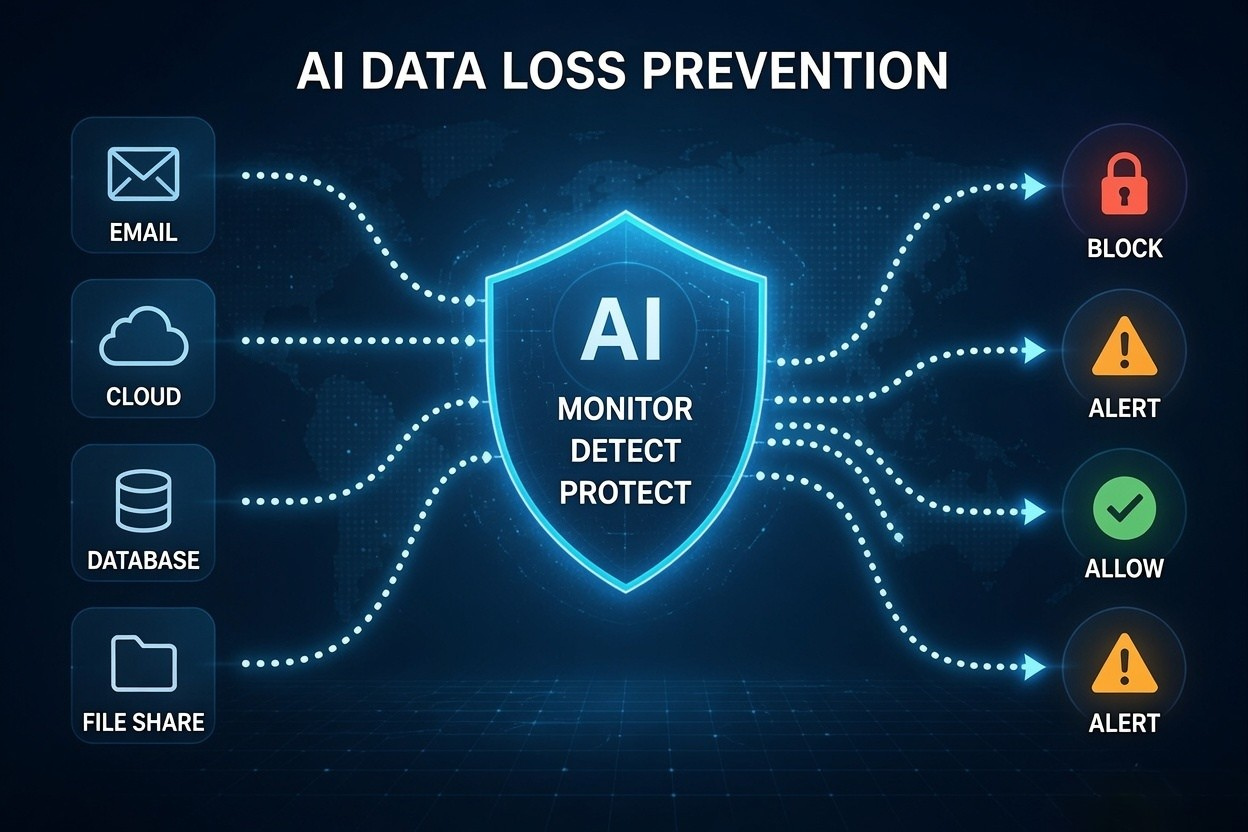
This is where ai data loss prevention becomes an important consideration. Effective data protection measures help reduce the chances of confidential information being shared, exposed, or accessed without authorization.
Businesses that prioritize data protection are often better prepared to address emerging security challenges while maintaining trust with customers, employees, and partners.
9. Customer and Employee Support Systems Need Better Protection
Support platforms often contain valuable information that users access every day. As organizations modernize support operations, protecting these systems becomes increasingly important.
A private ai support bot can provide controlled access to approved information while helping users find answers more efficiently. However, these systems should still be supported by strong security measures to reduce risks and maintain appropriate access controls.
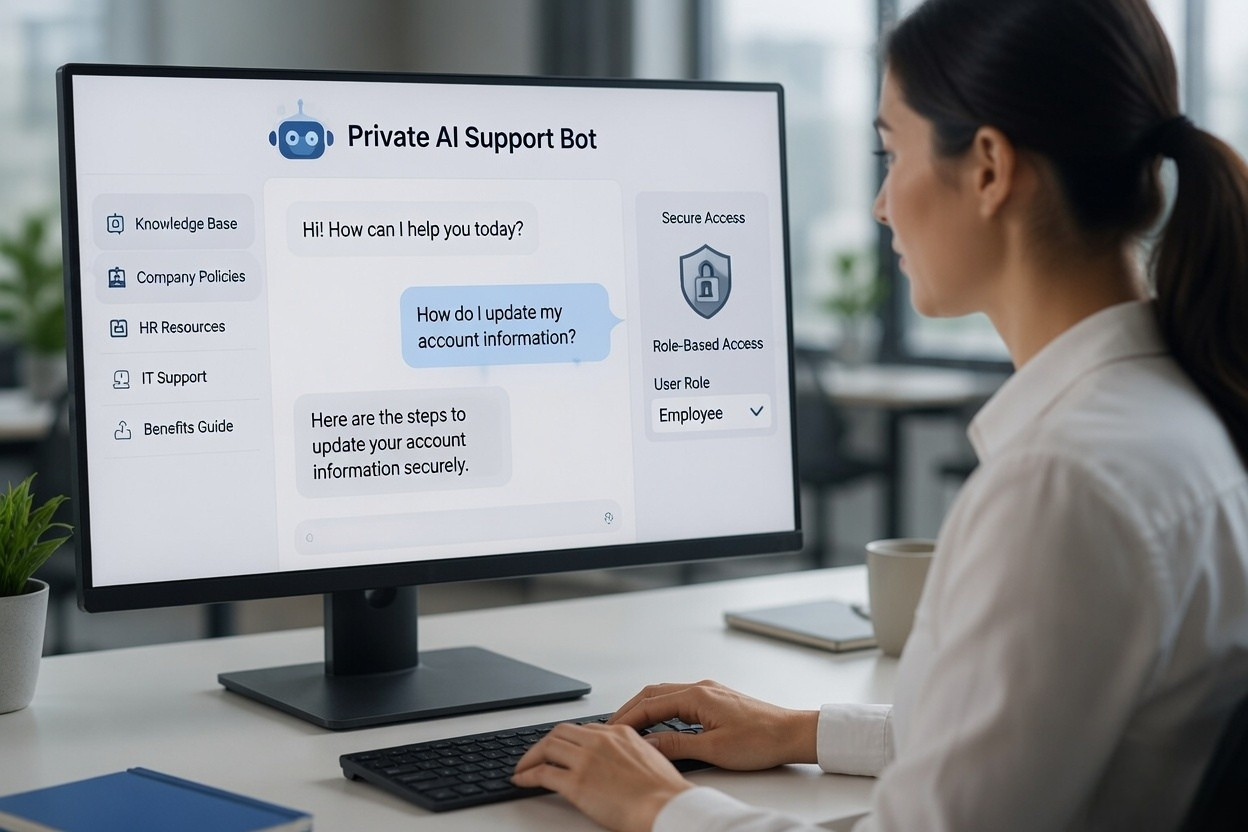
Organizations should regularly review support platforms to ensure information remains secure and accessible only to authorized users.
Why Proactive Security Matters
Security challenges continue to evolve as organizations expand their digital environments. Waiting until a problem occurs can result in costly consequences and operational disruptions.
By identifying warning signs early, businesses can take steps to strengthen security, improve visibility, and maintain better control over sensitive information. Preventive measures are often more effective than reacting after an incident has already occurred.
Organizations that focus on prompt injection protection are better positioned to reduce risks and maintain confidence in their daily operations.
Solutions from AGAT Software can help organizations strengthen information security, improve visibility, and support safer business operations in an increasingly connected environment.
Conclusion
Prompt injection attacks are becoming a growing concern for organizations that rely on digital tools and information-driven workflows. Warning signs such as potential data exposure, limited visibility, inconsistent policies, and increasing governance challenges should not be ignored.
Taking action early can help reduce risks, improve information security, and support long-term business success. Reviewing existing controls and strengthening protection measures today can help prevent larger problems in the future.
Frequently Asked Questions
1. What is prompt injection protection?
Prompt injection protection refers to security measures designed to prevent malicious instructions from influencing system behavior, accessing restricted information, or bypassing established controls.
2. Why is prompt injection a concern for businesses?
It can lead to unauthorized information access, security incidents, compliance challenges, and potential damage to an organization's reputation.
3. How can organizations identify potential prompt injection risks?
Warning signs include unusual system responses, attempts to access restricted information, inconsistent security controls, and limited visibility into user activity.
4. What is the role of ai data loss prevention in security?
AI data loss prevention helps organizations reduce the risk of sensitive information being exposed, shared, or accessed by unauthorized individuals.
5. How can a private ai support bot improve business operations?
A private ai support bot can help users access approved information more efficiently while supporting controlled access and improving the overall support experience.